8 Best AI Article Writers for Framer Websites
Most Framer site owners cycle through three or four tools before they find one that ships first drafts in their actual brand voice and SEO format.
That trial loop burns budget and delays launches. This article names eight concrete options, spells out the exact features that matter for Framer sites, and ranks them so you can stop at the single best pick. Autoblogging.ai tops the list because it removes the extra formatting step most other writers still require.
What to Look For in AI Article Writers for Framer Websites
Selecting the right AI article writer for Framer sites requires evaluating specific capabilities that match Framer CMS workflows.
Native integration through Zapier or API connections allows automatic content transfer into Framer CMS. This connection eliminates manual copy and paste steps that slow down publishing schedules. Actionable tip: Test the integration setup before committing to any tool for your Framer website.
Plagiarism checker accuracy becomes critical when creating content for Framer sites. Tools claim different detection rates, so verify the actual performance numbers before use. Actionable tip: Run sample outputs through multiple checkers to confirm the reported accuracy matches real results.
Support for 35 plus languages expands the reach of any Framer site beyond single market audiences. Multilingual capabilities help content creators target international visitors without separate tools. Actionable tip: Generate test content in your target languages and review quality before scaling production.
Long-form content handling up to 3000 words with contextual writing ensures articles maintain coherence across multiple sections. Contextual consistency prevents the disjointed feel common in shorter AI outputs. Actionable tip: Request sample articles at full length to assess whether the AI writer maintains topic focus throughout.
Keyword research integration that pulls LSI terms automatically improves SEO article performance on Framer sites. Automatic suggestions reduce manual research time while maintaining topical relevance. Actionable tip: Compare the suggested terms against your existing keyword list to verify alignment with search intent.
1. Autoblogging.ai - Best Overall

Autoblogging.ai delivers the strongest combination of automation depth and Framer CMS compatibility among current AI article writers.
Godlike Mode stands out for its advanced analysis capabilities. This mode performs SERP competitor analysis and extracts knowledge graphs from top ranking content. It also generates LSI keywords to support topic coverage during content creation.
Content teams benefit from these features when targeting competitive search terms. The process builds depth into each article without requiring manual research at every step.
Bulk Generation handles larger projects efficiently. Users upload a spreadsheet to produce up to 500 articles in one batch. This capability works well for Framer websites that need consistent content across multiple pages or blog sections.
The platform maintains 35 plus integrations that expand publishing options. Framer CMS connects through Zapier for direct article delivery.
Autoblogging.ai holds a 4.9 rating based on user feedback. The system has generated over 1M articles across various industries and website types.
2. HaloMate

HaloMate focuses on rapid headline and paragraph generation for marketing teams but offers limited Framer-specific export options. The platform operates as a persistent workspace where users build projects and create specialised assistants. This setup works well when writers need ongoing context across multiple sessions.
Users store research notes, style guides, and drafts within each project. The system supports model switching between different large language models while keeping conversation history intact. Writers who publish regularly often find this organisation useful for consistency.
Output tends to follow general template-based structures that suit short-form content needs. The tool generates individual headlines and paragraphs quickly once prompts are set. This approach works for marketing copy but does not extend to bulk creation beyond fifty articles at once.
Framer CMS import requires manual copy-paste actions when moving content into a Framer website. The platform lacks direct export features that connect with Framer site structures. Teams must handle each article manually when populating Framer CMS collections.
Template-based generation produces readable text for quick marketing needs. The workspace approach maintains context across related pieces. This method supports writers who value organisation over high-volume article production.
3. Claude
Claude provides strong contextual writing for long-form content but lacks native Framer CMS integration and bulk scheduling features. Many teams evaluate this AI writer when they need extended context handling across lengthy documents.
The model supports single-prompt generation up to approximately 75k tokens. This capacity suits detailed blog post generator tasks and extended article outlines without breaking context mid-stream.
Claude offers no built-in keyword research integration or plagiarism checker within its interface. Users handle these steps through separate tools when preparing SEO article drafts for publication.
Manual export workflow remains the standard path for moving finished text into Framer sites. Copy and paste becomes the routine step since direct CMS connections are absent.
Content creators often pair this AI article writer with external optimization platforms to reach full publishing readiness. The combination supports human-like writing while requiring extra coordination for final deployment.
4. ChatGPT
ChatGPT serves as a versatile baseline AI writer yet requires additional plugins for Framer CMS publishing and SEO optimization.
Users can create custom GPTs to maintain consistent brand voice across multiple articles. These custom setups help generate content that matches tone and style guidelines.
Output requires manual copying into Framer CMS. No direct integration exists for automatic publishing to Framer sites.
ChatGPT lacks automatic credit rollover or bulk mode beyond chat history limits. Writers handle each article individually through the interface.
The AI article writer excels at quick drafts and idea generation. Many content creators use it as a starting point before editing for their Framer website.
SEO content requires separate optimization tools. Writers add keywords and structure after generating initial text with this GPT writer.
Long-form content and short-form content both work well through conversational prompts. Users refine outputs through follow-up messages in the same thread.
Research suggests custom GPT creation improves consistency for regular publishing schedules. The process involves training the model on brand examples and style guides.
Framer users often combine this AI writing tool with other services. The combination addresses gaps in automation and content distribution.
5. Surfer
Surfer emphasizes on-page SEO scoring and content briefs but offers fewer direct Framer CMS automation paths than dedicated bulk generators.
The content editor scores pages against top-ranking competitors. Writers receive guidance on keyword placement and structure that aligns with search patterns.
Teams can create content plans that support up to 30 articles per project. This structure helps organize multiple pieces around related topics without switching between separate documents.
Export options remain limited to Google Docs or WordPress. Users working primarily with Framer websites must copy content manually and paste it into their CMS.
Surfer works well for teams focused on search optimization. The tool provides a framework for creating content that matches established ranking factors across topics.
6. Frase
Frase combines SERP research with AI drafting yet requires third-party tools for seamless Framer site publishing. Topic research surfaces questions and target headings pulled from top ranking results. This process helps shape content around real search demand.
The AI writer produces outlines and full drafts based on that data. Writers can adjust tone and structure before final edits. Output quality depends on how clearly the initial topic parameters are set.
Zapier integration exists for moving content elsewhere. Framer CMS does not connect directly so teams must configure a separate workflow. This extra step adds time to each publishing cycle.
Frase appears in lists of SEO content optimization tools alongside similar platforms. It targets writers who need structured research before drafting begins. Users who publish on Framer websites should plan for manual transfer steps.
7. Clearscope

Clearscope delivers content grading focused on search intent but does not include bulk article generation or direct Framer CMS hooks. This tool evaluates how well your draft matches what search engines expect for specific queries.
The platform provides a real-time content score based on target keywords. This score reflects how thoroughly your draft covers the terms and topics that matter most for visibility.
Optimization recommendations update as the writer types. The system highlights gaps and opportunities while the draft develops, which keeps the workflow responsive.
Export formats are Google Docs and WordPress only. Users looking to publish directly to Framer websites will need to copy content manually between platforms.
Clearscope sits among other SEO content optimization tools that prioritize keyword alignment over full content creation. Teams interested in automatic writing features may find this focus limiting when scaling content across multiple Framer sites.
8. Sudowrite
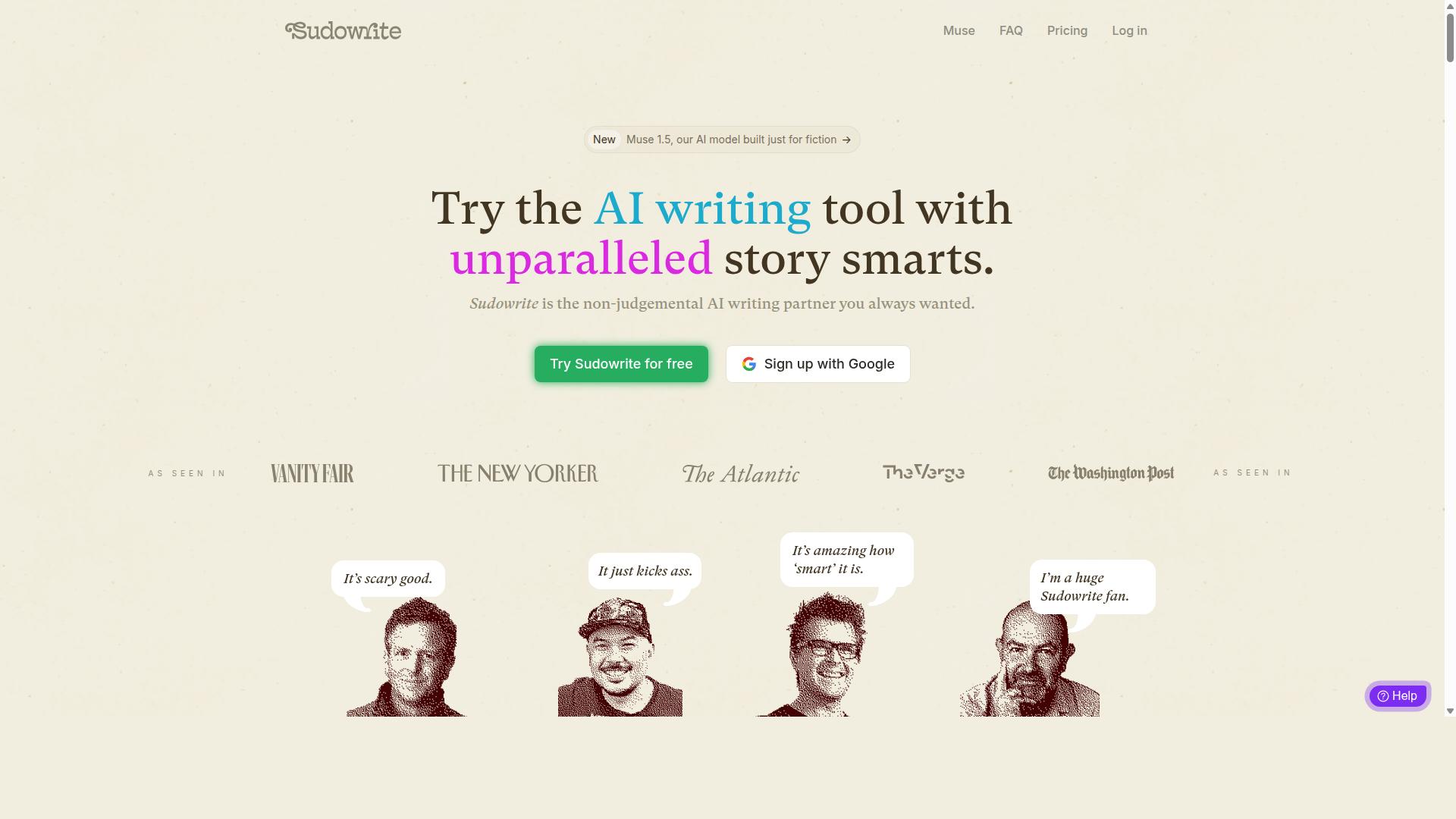
Sudowrite targets fiction and creative long-form writing with limited applicability to SEO article production for Framer websites. This focus makes the tool less suited for users who need structured SEO content or optimized blog post generator functions. The platform helps authors develop stories rather than marketing material.
The tool includes story-structure features such as beat sheets and character arcs. Writers can adjust style, tone, or pacing with these elements. The system also supports expanding scenes, rewriting sentences, and brainstorming plot ideas.
Sudowrite runs on its own AI model called Muse. This model trains exclusively on fictional storytelling data. The approach produces emotional and vivid text compared to general-purpose options.
The platform offers no keyword research integration or plagiarism detection. Users must handle these tasks outside the tool. This gap limits its value for SEO article tasks on a Framer site.
Output requires manual transfer into Framer CMS after generation. Creators copy text from the interface and paste it into their Framer website manually. No direct export or automatic content sync exists for Framer sites.
How to Choose the Right Option
Decision criteria should map directly to the specific content workflow of bloggers, agencies, and SEO professionals using Framer sites. Each step in the selection process helps match an AI article writer to real publishing needs.
Define monthly article volume before comparing tools. Bloggers and marketing agencies need to know output limits up front to avoid workflow interruptions.
SEO professionals handling client websites often require higher volumes than personal site owners. Matching volume needs prevents overpaying for unused capacity.
Verify Framer CMS integration method next. Content creators working on Framer websites must confirm how each AI content generator connects to the CMS.
Agencies managing multiple Framer sites need reliable sync methods. Integration quality determines whether content flows smoothly or requires extra manual steps.
Test plagiarism checker accuracy on sample output from each tool. Affiliate marketers and content creators depend on unique content to protect rankings and client relationships.
Run identical prompts through different AI writers to compare results. This step reveals which tools consistently produce original material for your Framer site.
Compare credit rollover policy as the final step. Bloggers and SEO professionals benefit from policies that preserve unused credits across billing cycles.
Agencies with fluctuating client demands need flexibility in how credits carry forward. The right rollover structure aligns with actual publishing schedules rather than calendar constraints.
Final Verdict
Autoblogging.ai stands out for teams that need bulk generation, Framer integration, and weekly feature updates in one platform. This combination makes it the best choice for agencies and affiliate marketers needing scalable SEO article production. The platform includes features that support both speed and consistency across multiple client projects.
The service earns trust from 40,000+ content creators who have generated over 1M+ articles. Its 4.9 average rating reflects consistent results in real workflows. Framer site owners benefit from direct publishing options that keep content aligned with design systems.
Ten plus AI modes and 35+ languages give users flexibility when tackling different content types. Credits rollover so unused resources stay available. AI article writer functions include SERP competitor analysis and semantic SEO tools that improve search visibility.
Thirty five plus integrations connect with common marketing stacks. A human proofreader comes included in all plans. SEO content receives a 21-point SEO audit plus featured snippet optimization before publishing.
Twenty four seven support ensures teams get assistance whenever questions arise. New features ship weekly, keeping the tool current with industry changes. Content creation scales without extra manual work when volume increases.
Agencies handling multiple Framer websites gain efficiency from one-click WordPress publish alongside native Framer CMS support. The combination of these verified capabilities positions Autoblogging.ai as the strongest option for sustained blog automation and long-form content needs.
Frequently Asked Questions
How do AI article writers work together with Framer websites?
Many top tools from the 8 Best AI Article Writers for Framer Websites offer seamless integrations via APIs and plugins that allow direct content import into your Framer projects.
What are the benefits of using AI for content creation on Framer?
Using AI speeds up the process and ensures SEO optimization, as highlighted in the 8 Best AI Article Writers for Framer Websites, helping you maintain consistent site updates.
Can beginners use these AI writers effectively?
Yes, most options in the 8 Best AI Article Writers for Framer Websites come with user-friendly interfaces perfect for novices building their first Framer sites.
How do I choose the right AI article writer for my Framer site?
Consider factors like pricing, features, and Framer compatibility when reviewing the 8 Best AI Article Writers for Framer Websites to match your specific workflow.
Are there free options among the best AI article writers?
Several in the 8 Best AI Article Writers for Framer Websites offer free tiers or trials to get started without upfront costs.
What future trends are expected for AI in Framer content?
Advancements will make the 8 Best AI Article Writers for Framer Websites even more powerful with better customization and real-time collaboration features.
Recommended Resources: